LIGHTING AND ELECTRICAL APPLIANCES

http://www.energyrating.gov.au/document/factsheet-light-bulb-buyers-guide
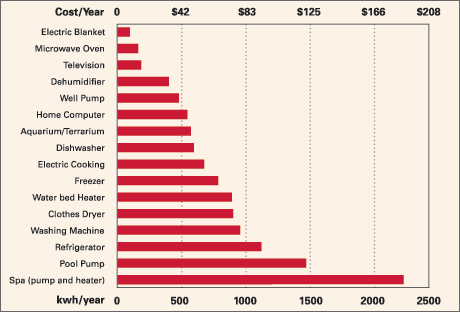
To use energy more efficiently and save money the Simpsons can use more efficient and sustainable appliances like 3 star rated washing machines, dryers, dish washers, toilets, sinks etc. Energy ratings show how energy efficient the product is. Energy efficient products with a more than 2 star rating can save you hundreds of dollars every year. Energy efficient products not only save you money they use less energy without compromising the features. They also reduce greenhouse gas emissions.
To use energy more efficiently and save money the Simpsons can use more efficient and sustainable appliances like 3 star rated washing machines, dryers, dish washers, toilets, sinks etc.
Energy ratings show how energy efficient the product is. Another way to save money and the environment is to turn off appliances when they are not in use, turn lights off when you are not in the room, close doors when the heater or air conditioning is on and turn off chargers and other appliances like toasters at the power source. The most energy efficient lightbulbs are LED (light emitting diode) CFL (compact fluorescent lights) lights. These lights have replaced the less efficient incandescent light bulbs.
Appliances use approximately 30% of household energy every year, using some of these techniques could help to reduce the Simpsons carbon footprint and help save the Great barrier reef, as well as saving money at the same time.
http://michaelbluejay.com/electricity/howmuch.html
HeaTING APPLIANCES
Many use heating products to warm their homes during winter. The effect turning on heaters has on the environment during summer is enormous. It also has a big effect on your monthly electricity bill. To reduce the impact you can buy energy efficient products. This means checking the energy star rating all heating appliances have, really energy efficient products have from 3-5 stars and run fairly well. As for electricity bills over the winter, closing curtains, shutting doors, insulating walls and draught proofing can keep heat in. Keeping heat means that the appliances are working less to warm the home, keeping costs minimal.
CO2 emissions contribute to the greenhouse effect and has too be slowed down in order for gobal warming to stop.
Using solar panels, energy efficient appliances and draught proofing can really bring down your carbon footprint (amount of carbon dioxide you release back into the environment because of daily human activities). If we as a society lower our carbon emissions, the Simpsons will be able to see the Great Barrier Reef.
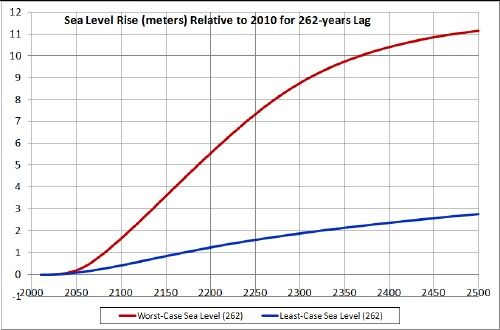
http://www.roperld.com/science/GlobalWarmingGraphs.htm This graph shows the estimated sea level rise from 2000- 2500. By the year 2500 the sea is estimated to rise 11 meters.
renewable and Non-renewablesources
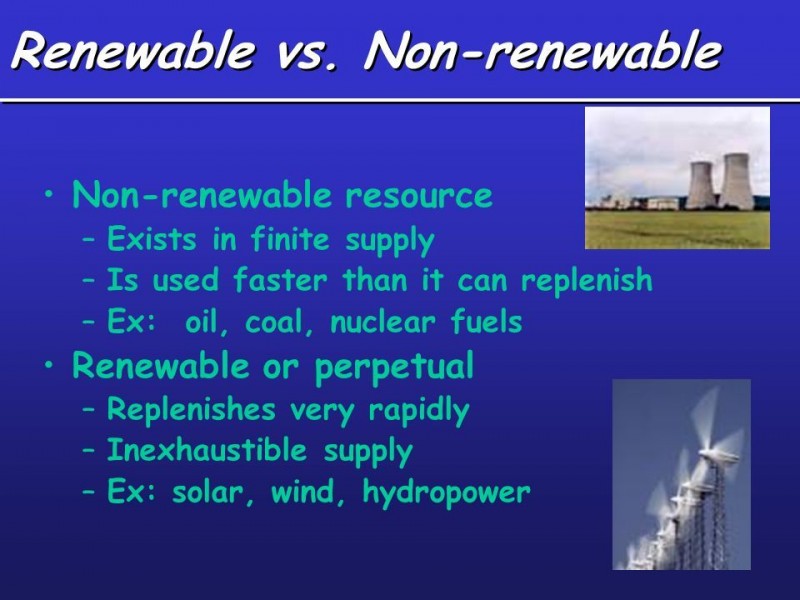
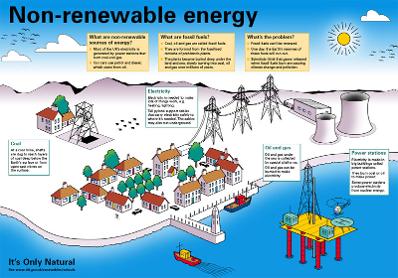
A non-renewable energy is an energy that isn’t able to be replenished. Because of this it is wasteful and can be unprofitable. The solution to this is renewable energy. Renewable energy is energy that isable to be renewed over and over again, making it more ecologically friendly and cost effective. For the Simpsons to effectively lower their electrical bill and carbon footprint, they need to make some changes around where they source their energy. 53% of Australia’s Energy produces around 87% of its greenhouse gas emissions. To decrease this we can change from using non-renewable energies made from coal and gas, to using things like hydro, solar and wind energy. Even though this can be more expensive to install inside the home, it will be less expensive in the long run.
There are 3 main different types of renewable energies that are used in Australian homes. Solar energy, hydro energy and wind energy. This energy can be made in power plants and transported to your house, or made on your land, using Solar PV and wind turbines. You can also make hydro energy, but it is less common, as it requires specific water features that aren’t common.
Solar Photo Voltaic (PV) is the most common form of energy producers for the home. It was created in 1941 by Russel Ohl, and have since become a popular way to save energy and money. It works by combining 2 different compounds with a material, one compound emits electrons when in contact with the sun, and the other causes the material to collect the electrons made by the first compound. This is then stored to be used in the household. Current pricing for a 5.0kW system is around $7000 and should save an average of $1500 a year.
The wind is a natural energy humans have been harnessing for thousands of years. Wind energy for electricity first became famous during WWII. With the ‘world’s largest Wind Turbine’, a 1.25 Megawatt turbine sitting on top of a hill in Vermont, feeding power to a local utility network. Nowadays, it is a popular form of electrical energy, often founds in public areas such as favoured parks over houses. They work by using the wind to spin 2-3 rotor blades connected to a shaft with a generator. The blades then cause the generator to spin, creating electricity. As wind turbines are generally less common than solar PVs, they are generally more expensive. For an average 10.0kW machine, would cost around $50 000 to fully install. Although they cost a significant amount, a wind turbine of that size can potentially fully support an average houses potential electricity, saving the house around $3000 per year.
http://www.differencebtw.com/difference-between-renewable-and-non-renewable-energy-resources/
http://greenplanetethics.com/wordpress/renewable-and-non-renewable-energy-sources-explained/
